

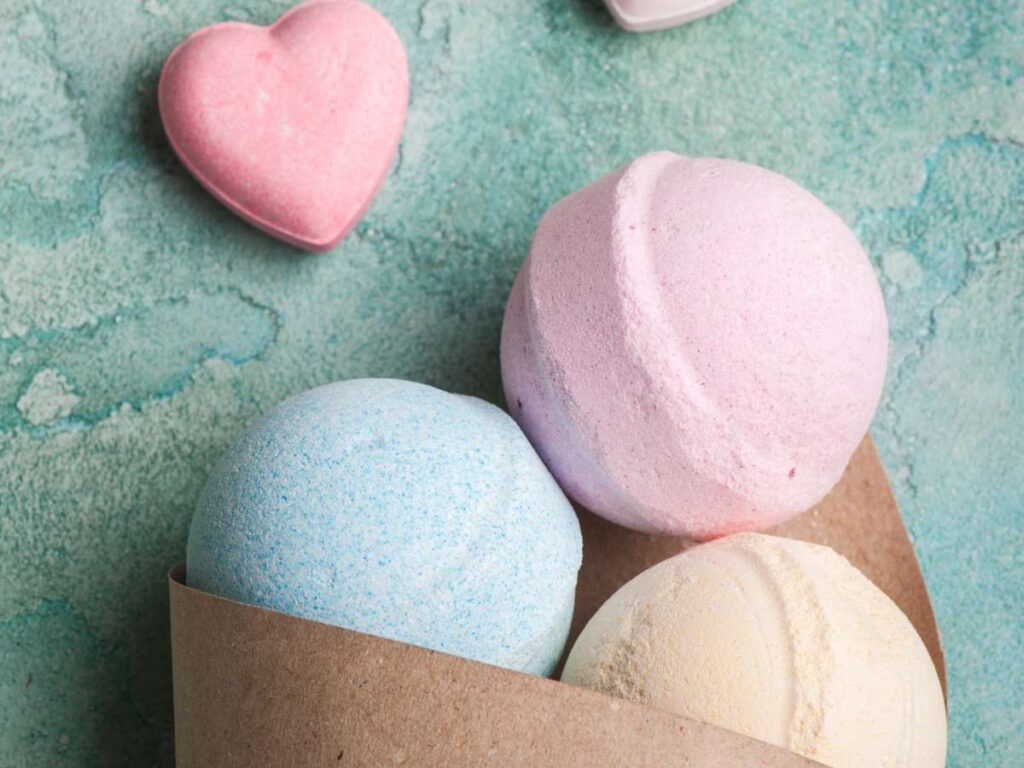
Your bath bombs smell incredible. They fizz just right. Friends and family love them. But when you think about selling them, you hit a wall.
How do you turn this passion into a real business? Where do you start?
I’ve worked with skincare brands and small business owners, helping them turn handmade products into successful businesses. I know the common mistakes—pricing too low, skipping legal steps, struggling with marketing. But I also know what works.
This guide takes the guesswork out of starting your bath bomb business. You’ll learn how to create professional-quality products, build a brand that stands out, handle legal requirements, and find customers.
By the end, you’ll have a step-by-step plan to turn your passion into profit.
So let’s begin!
Step #1: Research the Market and Identify Your Niche
Before making your first batch, take time to understand the bath bomb industry. Trends change, and customer preferences shape what sells. A little research now can save you time and money later.
Identify Your Niche
Not all bath bombs are the same. The right niche helps you stand out. Here are a few options:
- Organic and Natural: Made with clean, eco-friendly ingredients. Appeals to health-conscious shoppers.
- CBD-Infused: Helps with relaxation and stress relief. Grows in popularity with wellness-focused buyers.
- Luxury: Uses premium oils and exotic ingredients. Attracts high-end customers.
- Kids’ Bath Bombs: Fun shapes, bright colors, and hidden surprises. Parents want safe, gentle formulas.
- Therapeutic: Designed for muscle relief and aromatherapy. Perfect for athletes and spa lovers.
Analyze Competitors
Look at brands that are already selling well. What makes them successful?
- What ingredients do they use?
- How do they package their products?
- What price points attract buyers?
Study customer reviews. Find gaps in the market. Use this to improve your products.
Step #2: Develop Your Bath Bomb Recipes
A great bath bomb isn’t just about fizz—it’s about quality, scent, and how it feels on the skin. The right formula makes the difference between a one-time purchase and a loyal customer.
Basic Ingredients
Every bath bomb needs a solid base. These are the must-haves:
- Baking soda – The foundation of the fizzing reaction.
- Citric acid – Reacts with baking soda to create the bubbling effect.
- Epsom salt or sea salt – Helps soothe muscles and detoxify the skin.
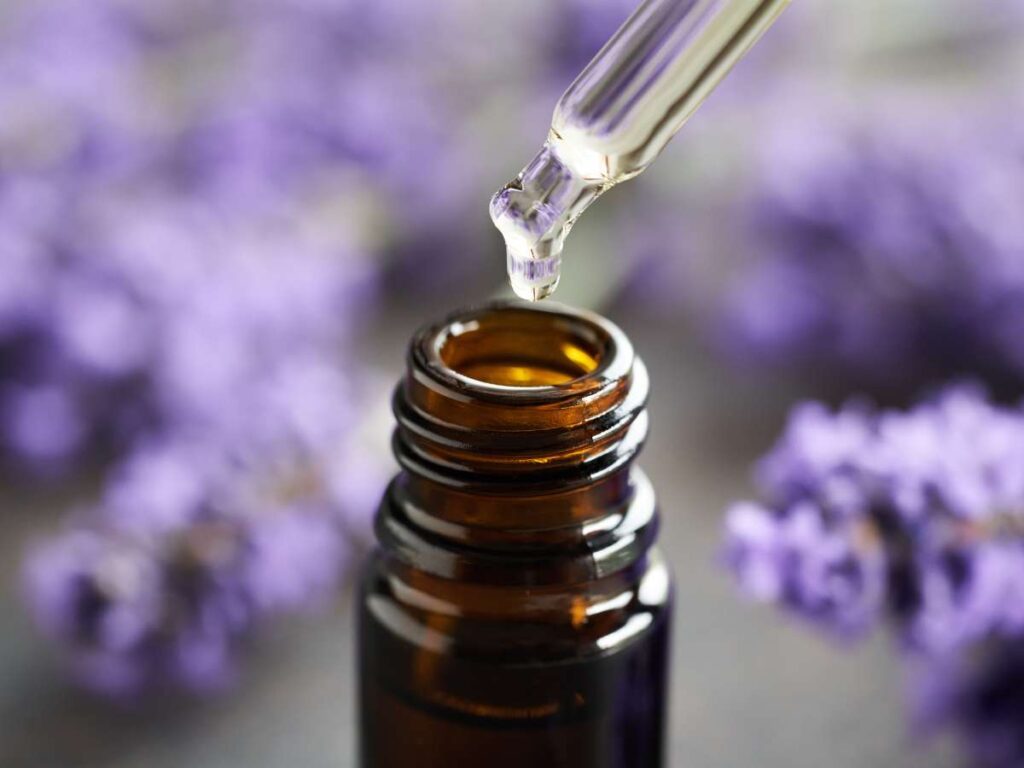
- Essential oils – Adds scent and therapeutic benefits (lavender for relaxation, peppermint for energy).
- Carrier oils – Coconut, almond, or jojoba oil keep skin soft and hydrated.
- Natural colorants – Mica powders and plant-based dyes add a beautiful touch.
- Cornstarch or kaolin clay – Helps harden the bath bomb for better durability.
- Polysorbate 80 – Keeps oils and colors from sticking to the bathtub.
Testing Your Formulas
Your first batch might not be perfect. That’s okay. Testing is key.
- Try different ingredient ratios to balance fizz, fragrance, and hardness.
- Make sure the bath bomb holds its shape without crumbling.
- Check how it dissolves in water—does it fizz long enough?
- Consider vegan, sulfate-free, or fragrance-free versions to appeal to more buyers.
Pro Tip: Write down every recipe. Small changes can make a big difference. Consistency is key when scaling up your production.
Step #3: Source Quality Ingredients and Packaging
A small skincare retailer once approached me with a problem. They had just launched a line of bath bombs, but complaints were piling up. Some customers received crumbling bath bombs, while others said the scent faded too quickly. The retailer sourced ingredients from different suppliers to cut costs, but this led to inconsistent quality. Their brand’s reputation was at risk.
Find Suppliers for Key Ingredients
To create a product customers trust, sourcing high-quality, bulk ingredients is essential. Here’s what to look for:
- Baking soda and citric acid – The core of every bath bomb. Food-grade options provide safety and consistency.
- Essential oils and fragrance oils – Long-lasting, skin-safe scents are key for repeat buyers.
- Natural colorants and biodegradable glitter – Prevents staining while appealing to eco-conscious retailers.
- Molds and packaging materials – Ensures uniform size and protection during shipping.
I helped the retailer switch to certified suppliers that met industry standards. This improved product consistency, and complaints dropped.
Choose the Right Packaging
Wholesale buyers expect bath bombs to arrive in perfect condition. Moisture exposure or breakage can lead to major losses. Smart packaging prevents this.
- Shrink wrap – Seals in freshness and extends shelf life.
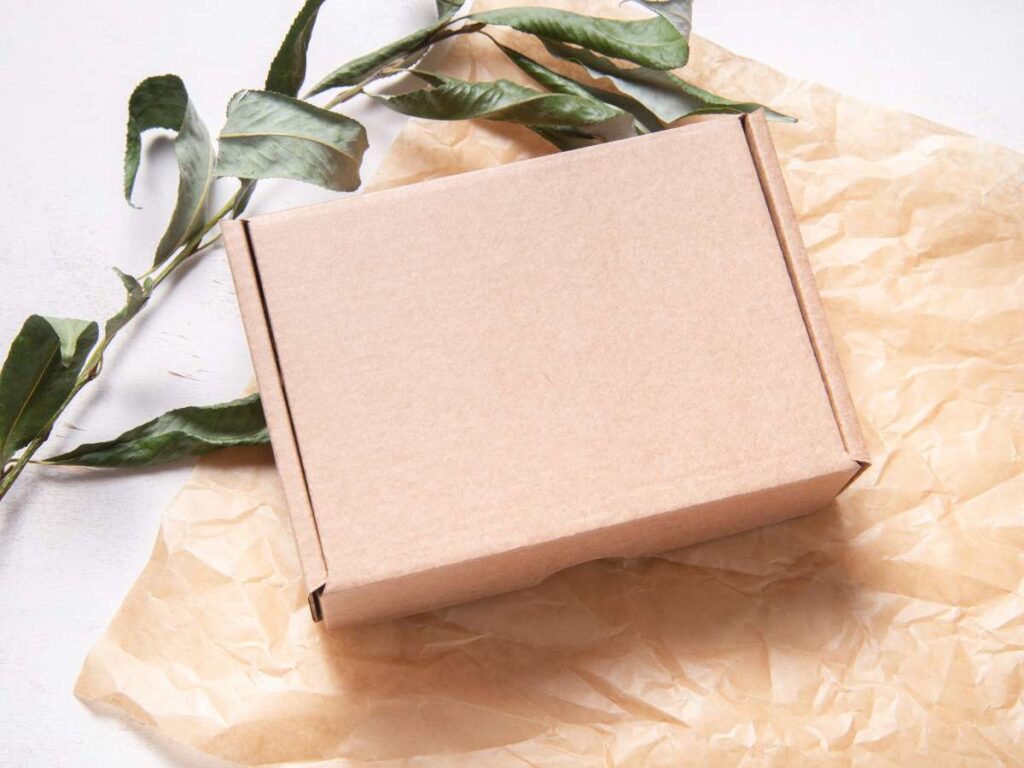
- Eco-friendly kraft boxes or biodegradable bags – Meets sustainability demands from retailers.
- Branded labels and stickers – Strengthens brand identity and retail appeal.
Once the retailer upgraded ingredients and packaging, bulk orders increased. Their bath bombs landed in more stores, and customer satisfaction improved. The lesson? Cutting corners on suppliers can cost more in the long run.
Step #4: Register Your Business and Meet Legal Requirements
Before selling your first bath bomb, you need to set up your business the right way. A small paperwork mistake can lead to fines—or worse, forced closure.
Choose a Business Structure
Every business needs a legal structure. The right one depends on your goals:
- Sole Proprietorship – Simple and low-cost. Ideal for small startups but offers no legal protection.
- LLC (Limited Liability Company) – Keeps personal assets separate from business debts. A smart choice for most small brands.
- Corporation – Best for large-scale operations with investors and complex finances.
I once worked with a new bath bomb seller who skipped this step. When a customer had a skin reaction and threatened legal action, the seller’s personal assets were at risk. An LLC could have protected them.
Obtain Necessary Permits & Certifications
You can’t legally sell bath bombs without the right approvals. Depending on your location, you may need:
- A Business License – Allows you to operate legally.
- Cosmetic Product Registration – Some countries require approval before selling skincare products.
- Liability Insurance – Protects you if a customer files a complaint.
Understand Labeling Requirements
Clear labeling prevents legal trouble.
- List all ingredients – Customers need to know what’s in the product.
- Follow FDA or local cosmetic laws – This is critical if selling internationally.
Skipping these steps isn’t worth the risk. Set up your business properly from the start.
Step #5: Set Up Your Production Space
I once visited a small bath bomb startup that mixed everything in their kitchen. The results? Inconsistent products, wasted ingredients, and constant mess. They knew they needed a better setup.
Creating a Dedicated Work Area
Even if you’re starting small, a clean and organized space is key. It keeps your products safe and helps with efficiency.
- Store ingredients properly – Airtight containers keep moisture out and extend shelf life.
- Use food-grade tools – Mixing bowls, molds, and utensils should be non-reactive and easy to clean.
- Wear protective gear – Gloves and masks prevent contamination and keep your workspace sanitary.
Having a separate space, even a small one, makes a huge difference. It reduces cross-contamination and improves workflow.
Batch Production Process
Making bath bombs is all about precision. A smooth production process keeps quality consistent.
- Start with small test batches – This helps fine-tune recipes before mass production.
- Use industrial mixers or hand-press molds – Consistency is key for professional results.
- Let them dry properly – 24 to 48 hours in a low-humidity area prevents cracking.
The bath bomb startup I mentioned earlier eventually set up a dedicated workspace. Their production became faster, and their quality improved. A well-organized space isn’t just about convenience—it directly affects your success.
Step #6: Price Your Bath Bombs for Profit
I once spoke with a bath bomb maker who priced her products too low. She covered her costs but barely made a profit. After months of hard work, she was exhausted and frustrated. “I thought lower prices would attract more customers,” she said. But in reality, she was just working for free.
Calculate Production Costs
Before setting a price, break down your costs.
- Ingredients per bath bomb – Baking soda, citric acid, essential oils, and colorants.
- Packaging and labeling – Shrink wrap, boxes, stickers, and eco-friendly options.
- Labor and overhead – Time spent making products, plus rent, utilities, and shipping.
If each bath bomb costs $2 to make, selling for $3 won’t be enough. You need to factor in profit.
Compare with Competitors
Handmade bath bombs sell for $3–$10 each, depending on size and ingredients.
- Luxury or organic bath bombs command higher prices.
- Bundle sets (3–5 bath bombs) attract gift buyers.
Consider Wholesale and Bulk Pricing
Selling in bulk increases profits.
- Offer discounts for bulk orders – Subscription boxes and gift sets sell well.
- Wholesale pricing for retail stores and spas – They expect lower rates but buy in volume.
The bath bomb seller I helped raised her prices, introduced bundles, and started selling wholesale. Within months, she turned a struggling hobby into a profitable business. Pricing smart makes all the difference.
Step #7: Create Your Brand and Online Presence
A customer once told me, “I found this amazing bath bomb on Etsy, but I can’t remember the brand.” That’s the problem—without a strong brand identity, people forget. They might love your product, but if your name and logo don’t stick, they’ll move on to someone else.
Develop a Memorable Brand Name & Logo
Your brand should tell a story. It should make people feel something.
- Pick a name that fits your niche. Playful and colorful? Elegant and luxurious? Make it match your style.
- Design a clean, professional logo. It should look great on labels, websites, and social media.
A strong brand helps people recognize—and remember—you.
Build a Website and Online Store
You need a place to sell your bath bombs. Platforms like Shopify, WooCommerce, or Etsy make it easy.
- Use high-quality product photos. People shop with their eyes.
- Write clear, engaging descriptions. Explain scents, benefits, and ingredients.
Leverage Social Media Marketing
Social media builds trust and attracts buyers.
- Post behind-the-scenes videos. Show the process, not just the product.
- Share customer reviews. Social proof sells.
- Run giveaways and influencer collabs. Exposure leads to sales.
The brands that succeed aren’t just selling bath bombs. They’re selling an experience. Make yours one people remember.
Step #8: Start Selling and Fulfilling Orders
A bath bomb seller I worked with had the perfect product. Customers loved the scents, colors, and fizz. But there was one big problem—she struggled with orders. Packages went out late, tracking numbers were missing, and customers were frustrated. Sales dropped. She needed a better system.
Where to Sell Your Bath Bombs
Selling in multiple places helps reach more customers.
- Your own website – Best for branding, full control, and higher profits.
- Etsy, Amazon, and eBay – Great for handmade and niche products.
- Local markets, craft fairs, and farmer’s markets – Helps build a loyal customer base.
- Retail stores and spas – Wholesale orders bring steady income.
A mix of online and in-person sales works best.
Shipping & Fulfillment
Customers expect fast, smooth deliveries.
- Use eco-friendly packaging – Many shoppers prefer sustainable options.
- Offer fast shipping choices – Speed matters, especially for gift buyers.
- Provide tracking numbers – Keeps customers updated and reduces complaints.
The seller I helped? She streamlined her process, started shipping faster, and sales went back up. A smooth system keeps customers happy—and coming back for more.
Conclusion
Creating bath bombs isn’t just about mixing ingredients—it’s about delivering a product that customers love and trust. From formulation to fulfillment, every step matters.
If you’re looking for a manufacturing partner who can help you scale, now is the time to make a strategic move. The right production process ensures quality, efficiency, and brand recognition.
What’s your biggest challenge right now—sourcing ingredients, production, or sales? Ridgepole can help.
Contact us today to start your bath bomb business with confidence.
Explore Related Resources
Want to see more products? We’ve got plenty of options that might just be the perfect fit for you:
Still haven’t found what you’re looking for? Don’t hesitate to contact us. We’re available around the clock to assist you.